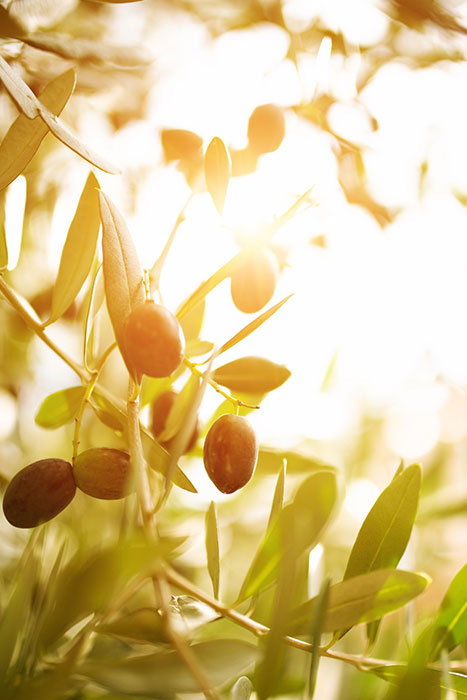
Extra virgin olive oil is much more than an ingredient; it is the essence of Spanish gastronomy. When we think of the country’s most typical dishes, gazpacho, paella, salad, or potato omelet come to mind. These dishes wouldn’t be the same without extra virgin olive oil.
A journey through the history of olive oil
However, when we talk about this ingredient so unique to us, so Mediterranean, which has accompanied us since the 11th century BC thanks to the Phoenicians who introduced the olive tree to Spain, a strong bond was forged that endures to this day. It has become a hallmark and a way of understanding gastronomy.
The benefits introduced by olive oil were noticeable within communities, as its uses were multiple and diverse. It was used to preserve products for a longer time, such as meat and fish, or to enhance their flavor. Additionally, it was used in cosmetics, traditional lamps for illumination, medicine, and the production of perfumes. This, undoubtedly, is a piece of our history and also an allegory of all the benefits that olive groves have bestowed upon us.
What is extra virgin olive oil?
When we talk about extra virgin olive oil, we are referring to the specific characteristics that this product possesses. Olive oil is the extraction of the juice from olives, without any additional additives. Just pure juice.
Extra virgin olive oil has properties, characteristics, and benefits that you won’t find in other types of oils, and it is in this aspect that we will delve deeper.
In the market or on social media, you may have seen various types of olive oil. However, these differences are not always known to the end consumer, making it a matter of great importance. Understanding the distinctions between various olive oils is essential for making an informed purchase.
What are the differences between different oils?
- Extra Virgin Olive Oil (EVOO): Extra virgin olive oil is the highest guarantee of oil quality. It is obtained through cold pressing of the oil, with a very low acidity level, a maximum of 0.8 grams of oleic acid per 100 grams of oil. In terms of taste, extra virgin olive oil has superior organoleptic qualities, with more intense sensory attributes, including a marked fruity flavor, fresh grassy notes, a spicy touch, and bitterness.
Extra virgin olive oil is a more complete and healthier oil compared to others. It contains no preservatives or any kind of chemical substances, and it preserves all of its nutrients.
- Virgin Olive Oil: Obtained through mechanical or physical processes with an acidity level less than or equal to 2%. It has organoleptic deficiencies, leading to a clear loss of flavor. Factors such as damage to olives during harvesting or prolonged storage, causing the weight of the olives to press and release oil, may contribute to these deficiencies.
Therefore, it is still a healthy oil within its characteristics, obtained through mechanical or pressing methods, but its taste and characteristics differ from extra virgin olive oil.
- Refined Olive Oil: Derived from lampante virgin olive oil. As lampante oil is not suitable for human consumption, it undergoes a chemical process that neutralizes, decolorizes, and deodorizes the product.
- Olive Oil: In this case, starting with lampante oil with acidity higher than 2g per 100g. Lampante oil is of the lowest quality obtained in the mill and is not suitable for human consumption due to its unpleasant smell and taste. For consumption, it undergoes a refining process involving chemical treatment. For public sale, this olive oil is mixed with refined olive oil, with the mixture typically not exceeding 20% virgin oil compared to the rest being refined.
- Olive Pomace Oil: Pomace is obtained from olive residues. It is made from the pulp left after the olive has been crushed into a pasty substance, and the first centrifugation is completed. To obtain the remaining oil, a chemical process is necessary using a solvent to extract the rest. The entire process this oil undergoes results in a loss of nutrients and phenolic content.